Office rubbish removal Hampstead business waste solutions
Posted on 08/07/2026
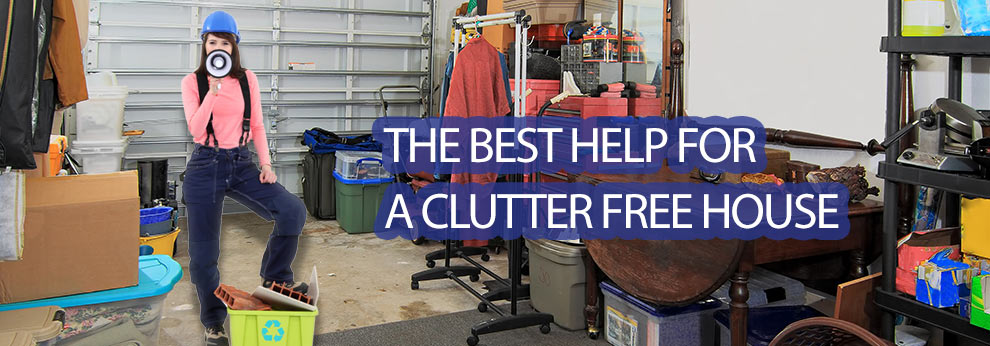
If your workspace is filling up with broken chairs, old monitors, archive boxes, packaging, or the kind of clutter that quietly creeps into every spare corner, you are not alone. Office rubbish removal Hampstead business waste solutions are built for exactly that problem: getting rid of unwanted business waste quickly, safely, and without turning a workday into a logistics headache. In Hampstead, where access can be tight and time is often short, a sensible removal plan can save hours, reduce stress, and keep your premises looking professional.
This guide explains how office and business waste clearance works, what should be removed, what to watch out for, and how to choose the right approach for your office, studio, practice, or commercial premises. It is practical, local, and written for the real world - not some idealised version where everyone has a spare loading bay and infinite patience.
Why Office rubbish removal Hampstead business waste solutions Matters
Office waste is not just "stuff in the way". Left unmanaged, it affects productivity, safety, first impressions, and even staff morale. A corridor with stacked boxes feels temporary and disorganised. A meeting room used as a storage dump feels smaller, noisier, and harder to trust. The smell of old carpet tiles, damp cardboard, or stale printer toner can linger too. Not ideal when clients are due in at 9am.
For businesses in Hampstead, the stakes are a bit higher because many premises are in mixed-use buildings, converted houses, small commercial units, or places with limited access. That makes waste removal more than a simple van-and-load job. It needs timing, planning, and a proper approach to sorting materials. In our experience, the best results come when removal is treated as part of workplace housekeeping, not an emergency clean-up after the room has already become unusable.
There is also the wider business image to think about. A tidy office supports confidence. A clear reception area says "we are organised". A clean back office says "we handle detail well". Small thing, maybe. But customers notice.
Expert summary: office rubbish removal works best when it is planned around access, sorting, and compliance. The fastest clearance is usually not the one where everything is thrown in a heap - it is the one where waste is grouped properly before collection.
If your workplace is also tied to property movement, refurbishment, or relocation, it can help to understand the wider local context too. Many businesses in the area are linked to changing premises, fit-outs, or office moves, so it can be useful to read broader local content such as Hampstead property transactions and smart real estate tips for Hampstead buyers.
How Office rubbish removal Hampstead business waste solutions Works
Most office rubbish removal jobs follow a fairly straightforward process, although the exact details depend on the size of the premises and the type of waste. The main goal is simple: remove unwanted items efficiently while keeping disruption low.
1. Initial assessment
First, the waste is reviewed. That might happen through photos, a walk-through, or a simple list of items. A good assessment helps identify bulky furniture, recyclables, electrical items, confidential materials, and anything that may need special handling.
2. Sorting and separating
Office waste is rarely one single category. It may include general rubbish, cardboard, shredded paper, old desks, chairs, filing cabinets, monitors, cables, broken appliances, and packaging from new equipment. Sorting matters because some items can be reused or recycled, while others need careful disposal.
This stage is where many people save money and time without realising it. If everything is mixed together, removal becomes slower. If items are grouped sensibly, the job usually runs more smoothly. Simple, really.
3. Safe loading and removal
The team then removes the waste, taking care around corridors, stairwells, lifts, and shared entrances. That matters in Hampstead, where access can be awkward and neighbours are often close by. Quiet, tidy loading is usually appreciated more than people say out loud.
4. Transport and disposal
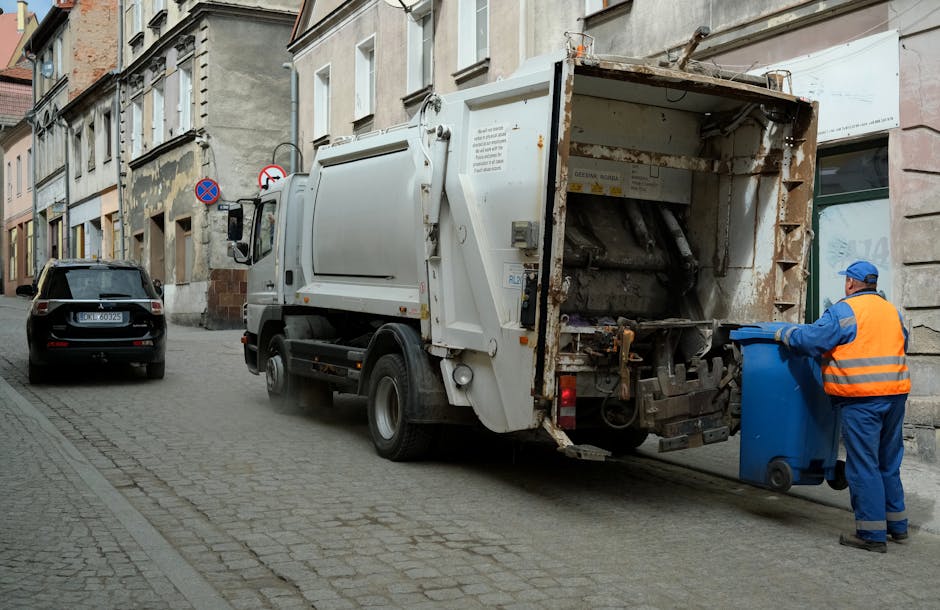
After collection, waste should be transferred to appropriate facilities. Reusable materials may be separated out. Recyclable items are handled in line with standard UK waste practice. Anything that cannot be reused or recycled is disposed of responsibly.
5. Final clear-up
A proper office waste clearance should leave the area usable, not half-finished. The point is to reclaim space, not create another job for the office manager on Monday morning.
If your business waste is part of a bigger clearance, it may overlap with office clearance in Hampstead or broader commercial waste removal Hampstead services. For larger mixed loads, waste clearance in Hampstead can be the right fit.
Key Benefits and Practical Advantages
A well-run office rubbish removal service does more than clear floor space. It can make day-to-day work easier in ways that are easy to overlook until the clutter is gone.
- More usable space: empty storage cupboards, clearer corridors, and less visual noise.
- Better safety: fewer trip hazards, less blocked access, and reduced strain from moving items around clutter.
- Improved productivity: staff waste less time navigating around outdated furniture or piles of packaging.
- Cleaner presentation: clients, landlords, and team members see a more professional environment.
- Faster turnaround during moves or refurbishments: clearance can keep a project moving instead of stalling over leftover junk.
- More responsible disposal: items are sorted for reuse, recycling, or proper disposal where possible.
There is also a quieter benefit: peace of mind. Once the waste is gone, the office feels lighter. That sounds a bit sentimental, perhaps, but ask anyone who has spent weeks working around old filing cabinets and they will know exactly what I mean.
For businesses dealing with bulky furniture, you may also want to consider dedicated support such as furniture removal Hampstead or furniture disposal Hampstead. If the waste includes sofas, tables, shelving, or reception items, those services can be especially helpful.
Who This Is For and When It Makes Sense
Office rubbish removal is not just for large corporations. In Hampstead, it is often most useful for smaller and mid-sized businesses that do not have the space, staff, or time to manage waste internally.
Typical users include:
- law firms and professional services offices
- creative studios and design agencies
- medical, therapy, and consultation rooms
- estate agents and letting offices
- retail units with back-office storage issues
- co-working spaces and managed offices
- property managers and landlords clearing commercial rooms
- businesses refurbishing, relocating, or downsizing
Common situations where it makes sense:
- after an office move
- before a lease handback
- after a refit or decoration project
- when archive storage is overflowing
- after old IT equipment has been replaced
- when staff desks, chairs, or cabinets are being upgraded
- when the office has become a "temporary holding zone" for everything nobody wants to decide on
To be fair, that last one happens more often than people admit. A single unused room turns into the home of spare chairs, broken printers, and a suspiciously large pile of boxes. Then one day someone says, "We should deal with that." Usually after the room has already become embarrassing.
For businesses connected with local property changes, these related pages may also be useful: is Hampstead a prime residential area and discover the delightful suburb of London. They help explain the wider local character, which matters when planning commercial logistics in the area.
Step-by-Step Guidance
If you want office waste removal to feel manageable, the trick is to break it into a few simple stages. Nothing dramatic. No grand overhaul required.
- Walk the workspace. Identify what needs to go, what can be reused, and what should stay.
- Separate the waste categories. Keep furniture, general waste, cardboard, electricals, and confidential paper distinct where possible.
- Check access. Note stairs, narrow halls, parking limits, lift restrictions, and any shared-entry timings.
- Protect sensitive items. Remove documents, hard drives, and devices containing data before clearance begins.
- Book around business hours. Early mornings, lunch windows, or after-hours slots can reduce disruption.
- Confirm the scope. Make sure everyone knows what is being collected and what is staying.
- Prepare the load area. Put items in one place if possible, so the clearance team can work efficiently.
- Ask about sorting and recycling. A reputable service should be clear about what happens to each waste stream.
- Keep a record. For business files and compliance purposes, retain proof of collection where needed.
A small practical note: the better you prepare the office, the less likely you are to feel rushed on the day. That can save real time. It also prevents the awkward moment where everyone is scrambling to decide whether a chair is "definitely rubbish" or "maybe still useful". We have all seen that debate go on too long.
Expert Tips for Better Results
Good waste removal is often about the details that do not look important until they go wrong.
Keep e-waste separate where possible
Old printers, laptops, cables, and screens are common office items, but they should not be treated as ordinary rubbish if they can be handled separately. Grouping electrical items makes the collection cleaner and often more efficient.
Use a "keep, donate, dispose" decision line
Before the team arrives, draw a clear line: what must stay, what might be re-used internally, and what must go. If everything is treated as "maybe", the job slows down. Decision fatigue is real, and yes, it hits offices too.
Plan around access constraints
Hampstead offices are often in buildings where access is tight, parking is limited, or shared corridors must stay clear. It helps to think about the practical path for large items before collection day. A sofa or cabinet can be straightforward in theory, then suddenly awkward in a narrow stairwell. Funny how that works.
Ask for clarity on recycling
Recycling and sustainability matter in business waste management. A responsible removal plan should make it easy to understand which materials are being reused, recycled, or disposed of separately. If you want a deeper look at sustainable handling, see recycling and sustainability.
Do not leave confidential waste exposed
Files, forms, invoices, and hard-copy records should be secured before any general clearance begins. Shredding or separate handling is best practice, especially in regulated or client-facing businesses.
Match the service to the job
A one-room clearance is not the same as a full fit-out waste job. You do not need to overcomplicate things, but you do need the right scope. For some offices, a light collection is enough. For others, the workload is closer to a commercial clearance project.
Common Mistakes to Avoid
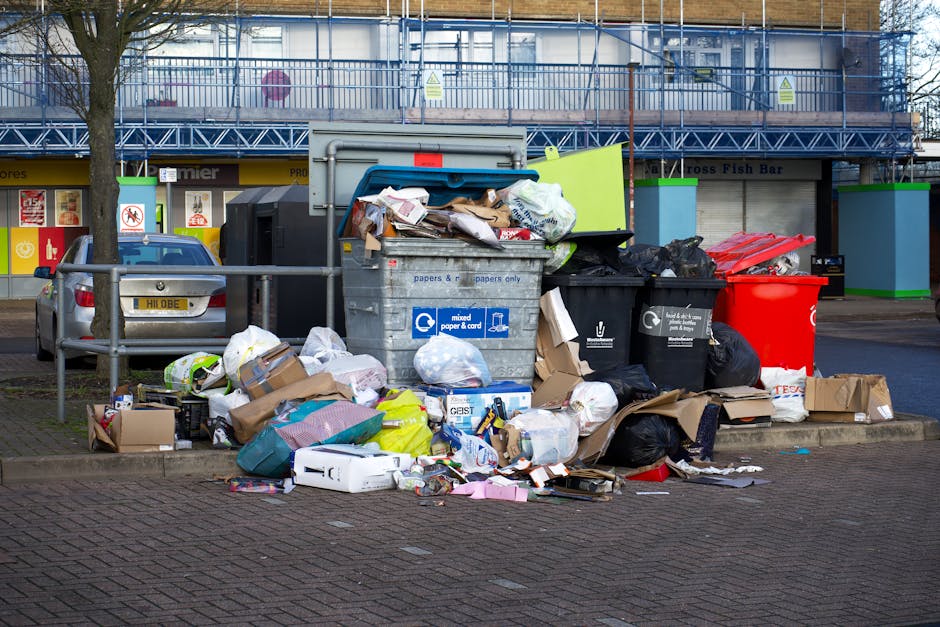
Most office clearance problems are surprisingly avoidable. The trouble is, people usually only notice them once the van is already on its way or the workspace has become a bottleneck.
- Mixing everything together: a mixed pile slows sorting and can make the removal job more expensive or less efficient.
- Ignoring access issues: if parking, stairs, or lift use are tricky, deal with that early.
- Forgetting data security: old devices may still contain information. Do not treat them like empty shells.
- Assuming all waste is the same: office waste often includes recyclables, electricals, and bulky items with different handling needs.
- Leaving clearance until the last day: this creates stress and can interfere with business operations.
- Choosing on price alone: the cheapest quote may not cover the full job, especially if access or disposal complexity is ignored.
- Not confirming what happens after collection: responsible disposal should be part of the conversation from the start.
If hidden extras worry you, the guide how to avoid hidden charges for Hampstead rubbish collection is worth a look. It can help you ask better questions before booking.
Tools, Resources and Recommendations
You do not need fancy systems to manage office waste well. A few simple tools and habits are enough to make the process much smoother.
- Basic inventory list: a spreadsheet or shared note with item categories and quantities.
- Labelled collection zones: use signs or coloured tape so staff know what belongs where.
- Photographs: helpful for remote quoting and for planning access.
- Secure document bins: useful when paper files need careful handling.
- Temporary storage trolleys or boxes: useful for sorting items before removal day.
- Booking notes: keep access, timing, and contact details in one place.
For broader service planning, the page services overview gives a useful snapshot of related clearance options. If your office also has storage space, loft areas, or forgotten stock tucked away, loft clearance Hampstead may be relevant too. Offices do sometimes collect odd things in high places - old displays, spare chairs, winter decorations, you name it.
It is also worth remembering that not every collection needs the same approach. If the job is mainly small loads or routine pickups, rubbish collection in Hampstead can suit a lighter workflow. If it is a larger business clearance, a more comprehensive service may be the better fit.
Law, Compliance, Standards, or Best Practice
Business waste should be handled carefully and in line with standard UK waste practice. That means using a responsible carrier, keeping waste streams sensible, and making sure materials go to the correct place. For office managers, the key point is not to guess. If you are unsure how a material should be handled, ask before collection day.
There are a few broad best-practice points worth keeping in mind:
- Use a licensed waste carrier: this helps reduce the risk of fly-tipping and poor disposal practices.
- Keep records where appropriate: many businesses prefer to retain collection details for internal administration and peace of mind.
- Separate sensitive materials: documents, records, and devices should be treated carefully.
- Check duty of care expectations: businesses generally have a responsibility to ensure their waste is managed properly.
- Mind the building rules: shared premises may have access times, lift rules, or loading restrictions.
If you want reassurance about carrier responsibility and operational standards, the page waste carrier licence and compliance is a good place to start. For added confidence around safety handling, insurance and safety is also relevant.
And if your office waste is being collected as part of a wider commercial clean-up, the line between "office rubbish" and "commercial waste" can blur a bit. That is normal. What matters is that the materials are handled appropriately and the service scope is clear from the outset.
Options, Methods, or Comparison Table
Different workplaces need different waste solutions. The right choice depends on the volume, the type of rubbish, and how much disruption you can tolerate.
| Option | Best for | Strengths | Limitations |
|---|---|---|---|
| Routine rubbish collection | Small, ongoing office waste | Simple, quick, good for regular upkeep | Not ideal for bulky clearances |
| Office clearance | Desk moves, downsizing, end-of-lease jobs | Covers mixed items and larger volumes | Needs more planning and access coordination |
| Commercial waste removal | Businesses with larger or recurring waste loads | Flexible for varied commercial materials | May be broader than needed for very small jobs |
| Furniture disposal | Desks, chairs, cabinets, reception items | Useful for bulky items and refurbishments | May need item-by-item sorting |
| Waste clearance | Mixed loads without a narrow focus | Flexible and practical | Less specialist if you need one category only |
In plain English: if you just need the bins cleared, go simple. If you are emptying a room full of desks and filing cabinets, use a more complete clearance solution. If the office is being gutted for a fit-out, a commercial approach makes more sense again.
Case Study or Real-World Example
Here is a typical Hampstead scenario. A small professional office in a converted building has been running for years. Over time, it has accumulated broken office chairs, old shelving, redundant paperwork, packaging from IT upgrades, and a few bulky items nobody wants to move on their own. The back room is now so full that staff have stopped using it properly.
The first step was not a van. It was a walk-through. Items were grouped into furniture, general waste, paper records, and electricals. A couple of pieces were kept because they were still useful. A few items were moved for internal reuse. The rest were scheduled for removal in one organised visit.
Because access had been checked in advance, the collection was carried out without blocking the building entrance for long. The waste was loaded in sections rather than dragged through the office all at once. It sounds minor, but that made the whole place feel calmer. By the end of the morning, the back room was visible again. Properly visible. No mystery tower of boxes, no broken monitor leaning at a slight angle, just space.
That is the real value of a good office rubbish removal plan: it gives a business back its working environment. Not glamorous, perhaps. But extremely useful.
Practical Checklist
Use this checklist before you book or schedule office waste removal:
- Identify every item that needs to go.
- Separate furniture, paper waste, e-waste, and general rubbish.
- Remove confidential documents and sensitive data first.
- Check access routes, parking, stairs, and lift restrictions.
- Confirm the best collection time for your business.
- Photograph bulky items if helpful.
- Ask what can be recycled or reused.
- Make sure staff know what should stay and what should leave.
- Review any building or landlord rules.
- Keep the booking notes and collection details in one place.
For businesses that want a broader clear-out rather than a single collection, waste disposal Hampstead can be a useful companion service. And if you are clearing a workspace after a move, end-of-tenancy handover, or major reorganisation, broader commercial waste removal Hampstead support may be the more complete route.
Conclusion
Office rubbish removal Hampstead business waste solutions are really about making business life easier. They help you reclaim space, keep standards up, reduce risk, and avoid the slow creep of clutter that every office seems to develop sooner or later. A good plan is calm, practical, and tailored to the space you actually have.
If you take one thing from this guide, let it be this: do not wait until waste becomes a problem before dealing with it. A short bit of planning now usually saves a lot of hassle later. And once the office is clear, the difference is immediate. You can feel it when you walk in.
Get a free quote today and see how much you can save.
There is something quietly satisfying about opening a room and seeing floor space again. It just makes the day feel a bit more manageable, doesn't it?